Parallax is an independent counter-archiving agency for the image and the archive.
Parallax treats images, documents, and sites as evidence: it geolocates scattered media, synchronizes it on a shared timeline, and crosses the sightlines of many photographs until several views of one place locate each other.
Every finding stays tethered to the sources that support it. Parallax documents and corroborates.
The archive is never neutral.
Reading the archive against itself.The archive is never neutral. It is an instrument: it decides what is preserved and what is allowed to disappear, what is made visible and what is suppressed. Every official record is also a record of what it keeps out.
Counter-archiving builds what that archive will not hold. It gathers what is scattered, at risk, or kept out; reads the image itself as evidence; holds absence and erasure as findings rather than gaps; and keeps the record under the consent and sovereignty of the people in it. It is distributed, and built from below.
Parallax does this with its own instruments, at the scale of a single researcher or a community. Every claim stays tethered to the sources that support it. It documents and corroborates.
- −Decides what is kept
- −Silences what it excludes
- −Centralizes custody
- −Waits for the institution
- +Gathers what was left out
- +Holds absence as a finding
- +Distributes custody
- +Keeps the record sovereign
Counter-archiving
How the record is built: from scattered, suppressed sources to a sovereign, source-tethered account.Gather
Pull together what is dispersed, at risk, or kept out of the official record. Fix each source to its provenance with a sha-256 hash and a consent state. Distributed, not waiting for an institution to hold it.
- sha-256 fixity over held bytes
- Provenance and chain of custody
- Consent state per source
Cross
Place each photograph in space and time, and cross the sightlines of many until several views of one place locate and corroborate each other. The dispersed corpus becomes a navigable archive.
- Resection by crossing sightlines
- The image complex of one place
- Synchronization with honest uncertainty
Hold absence
Mark what was destroyed, withheld, or erased as a finding, not a gap to conceal. Where the document is missing, testimony anchored in place stands in its stead.
- The lacuna recorded, not hidden
- The disappeared kept in view
- Memory placed in space
Keep sovereign
State findings tethered to the sources that support them. Publish only what consent clears. Authority over the record remains with the people in it.
- Findings tethered to their sources
- Published only under consent
- Sovereignty retained
Independent, and built from below.
Counter-archiving at the scale of a researcher or a community.Parallax works at the scale of a single researcher, a newsroom, or a community, not an institution, and with the people closest to the material rather than about them. An investigation might begin from a contested site, a dispersed body of photographs, a trafficked or destroyed object, or an archive someone has tried to erase.
The subjects range widely: conflict and its aftermath, land and environmental change, photography as evidence, human rights documentation, and records held under Indigenous data sovereignty. What holds them together is the counter-archive, building and corroborating the account the official record leaves out, and keeping it citable and open to challenge.
Parallax builds its own instruments for the work, source-available and citable: Sightlines, Atlas, and Situated Testimony, six in all. See the instruments.
Current investigations
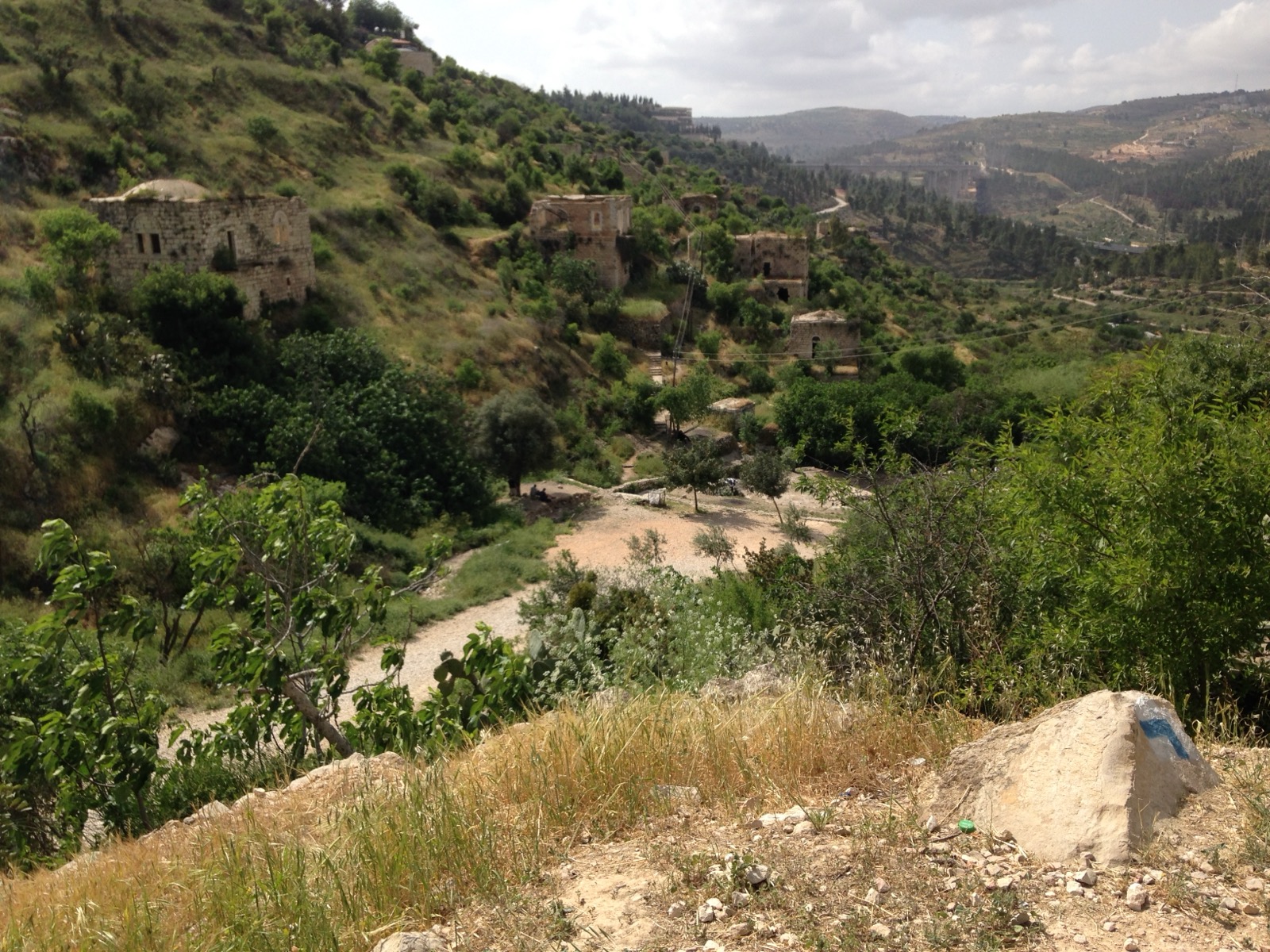
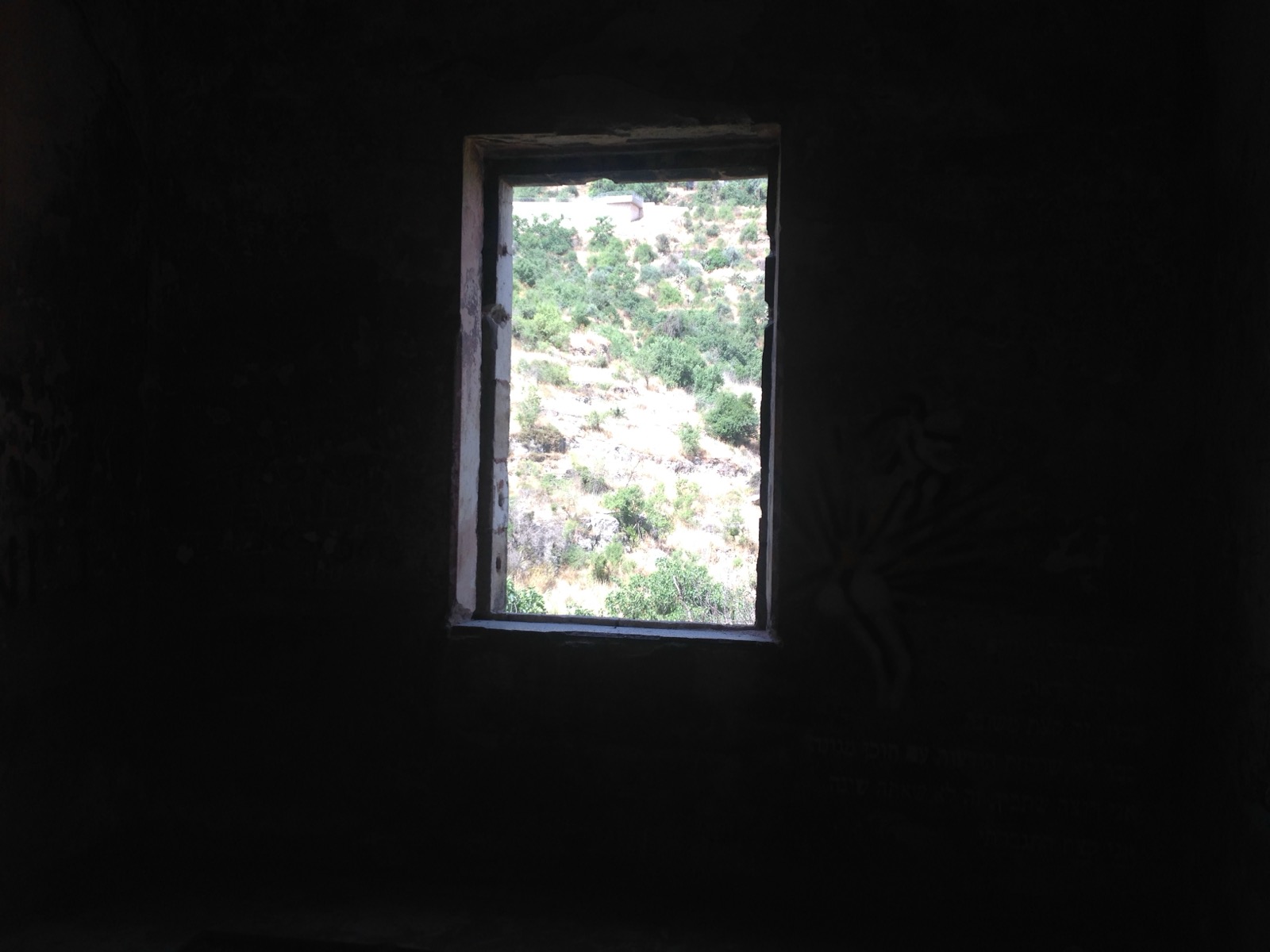
The active case record. Each investigation applies the full method: gather, cross, hold absence, keep sovereign.Photographic resection of Ein Lifta, the abandoned Palestinian village at the northwestern entrance to Jerusalem. The investigation crosses multiple vantages taken across two visits to reconstruct the site's spatial and temporal condition.
One of the only pre-1948 Palestinian villages in the greater Jerusalem area to survive largely intact, Lifta holds its condition as evidence: built fabric, cultivated landscape, and spring as a record of dispossession read against the archive of its displacement.
Counter-forensic investigation of mass seabird mortality events in the Santa Barbara Channel, triggered by a documented die-off of cormorants, western grebes, and brown pelicans along the Goleta Beach to Campus Point corridor, reported 2 April 2026. The investigation applies temporal layering across SST anomaly, carcass deposition records, and the historical mortality event table to reconstruct the conditions of the event.
The forensic argument concerns the threshold of detectability: monitoring infrastructure exists (C-HARM, HABMAP, BeachCOMBERS) and the pattern is documented and accelerating, yet each mortality event is treated as novel. The gap between existing data systems and any integrated rapid-response mechanism is the primary forensic subject, not individual cause-of-death determinations.
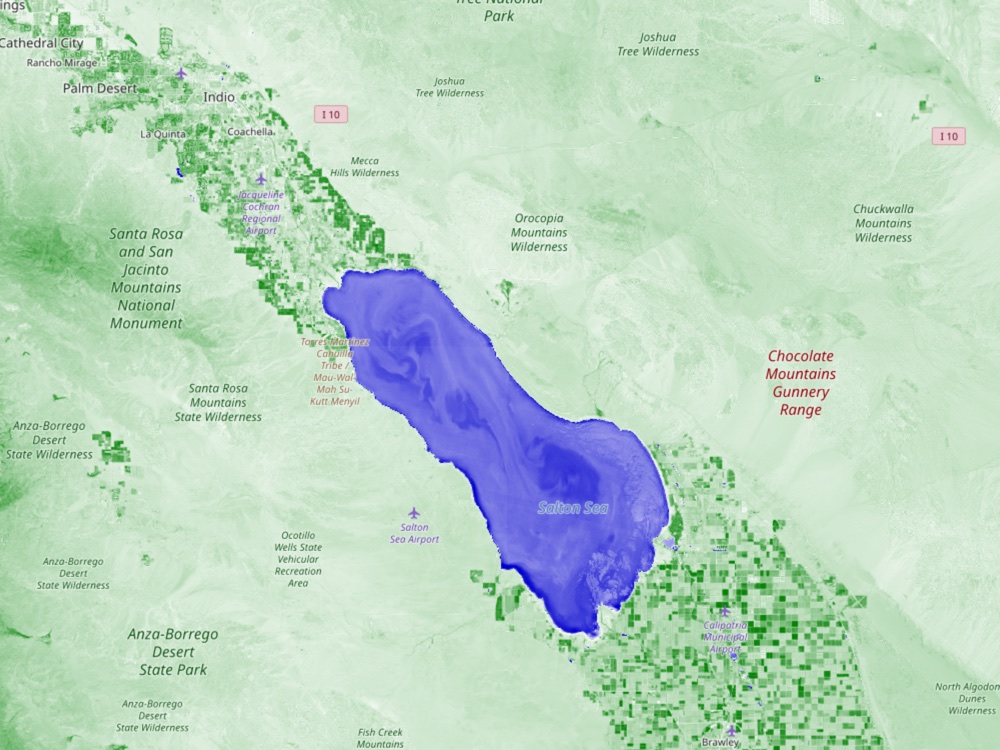
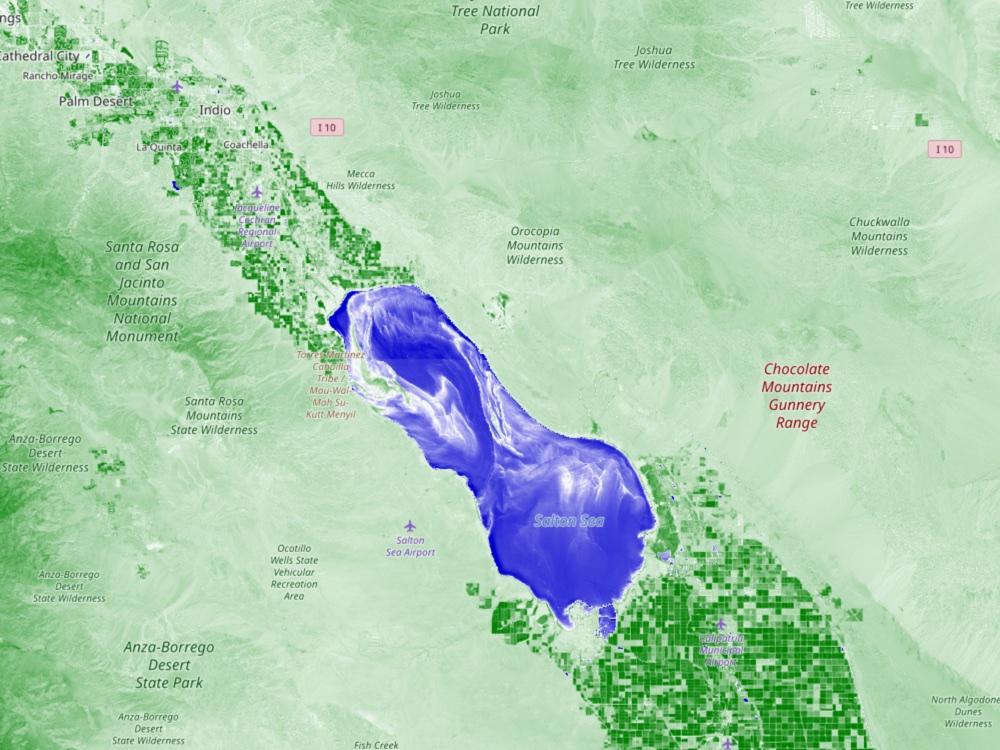
Counter-forensic spatial investigation into environmental racism across California's inland sacrifice zones. Case Study 1 examines a 1.5-mile corridor of State Highway 111 through Mecca, an unincorporated farmworker community of approximately 8,000 in the Eastern Coachella Valley, against the same highway thirty miles north through Palm Desert. The investigation draws on Dorothea Lange photographs, the Ernest Lowe Dunn field series, original survey (103 images catalogued), CalEnviroScreen 4.0 data, and CARB pesticide monitoring.
The comparative argument: where the highway passes through an unincorporated zone without municipal government, stacked hazards accumulate without institutional mechanism for redress. The visual record, read against quantitative environmental health indicators, reconstructs visibility and its management as the forensic subject.
Working with Parallax
Appointments are project-based and collaborative.Appointments form around a specific investigation rather than a standing post. They suit researchers comfortable moving across media and archive types, and at home with the evidentiary and sovereignty commitments that structure the work.
Research at Parallax is conducted collaboratively and published under source-available, citable licenses. Findings remain tethered to their sources; the record is built to be contested and corrected.
To propose an appointment, write to hello@parallaxagency.org with a brief statement of interest and the project you have in mind.
- Conflict archives and dispersed heritage
- Ecology, land, and environmental change
- Photography and lens-based evidence
- Human rights documentation and testimony
- Indigenous archives and data sovereignty
- Post-colonial archives and political violence
Bring a case, or collaborate
At the scale of a single researcher, a journalist, a community, or a human-rights group. The work is collaborative from the first conversation.Bring a case
A contested site, a dispersed body of images, a contested or trafficked object, an erased archive. Parallax reconstructs and corroborates.
Partner on the work
For researchers, journalists, community partners, and the people who hold contested records, with the sovereignty of the material respected throughout.
Get in touch
Propose a collaboration, commission an investigation, or ask about the method and teaching.